You Don't Own Your Marketing Data — And That's a Business Risk
Your revenue history, customer LTV, and channel performance all live inside tools you rent. The day you stop paying — or a platform changes its API — it's gone. Here's why owning your data warehouse matters, and what it actually takes.
You Don't Own Your Marketing Data — And That's a Business Risk
Ask most e-commerce founders or agency owners "do you own your data?" and they'll say yes. Of course. It's their revenue, their customers, their campaign history.
Then ask a follow-up: where does it actually live?
Shopify. Meta. Google Ads. GA4. Klaviyo. A dashboard tool. Maybe a reporting SaaS that charges per data source. And that's the real answer — your data doesn't live somewhere you control. It lives inside a dozen tools you rent, each of which can change the rules, cap your access, or disappear whenever it suits them.
This isn't a hypothetical. It's a quiet risk sitting under most marketing operations, and it shows up at the worst possible moments.
The three ways rented data bites you
1. Stop paying, lose access
Every SaaS tool works the same way: the moment your subscription lapses, your historical data goes read-only, then dark. That reporting platform holding three years of blended performance history? Cancel it and you don't get an export of the modeled data — you get a login wall. GA4 famously only retains event-level data for a limited window by default, so the further back you want to look, the more likely it's simply gone.
Your customer lifetime value trends, your seasonal patterns, your year-over-year channel performance — the exact history you need to make good decisions — is only as durable as your willingness to keep paying every vendor in the stack, forever.
2. Platforms change the rules without asking
APIs change. Attribution models get "updated." Free tiers get throttled. When iOS privacy changes reshaped Meta's tracking, brands that relied entirely on Meta's dashboard lost visibility overnight — and there was nothing to do but accept whatever the platform decided to still show them. When a connector vendor deprecates an integration, your pipeline breaks and you wait for them to fix it.
If your single source of truth is someone else's dashboard, you don't have a source of truth. You have a subscription to their version of it.
3. Per-row and per-source pricing punishes growth
Many third-party warehouse and reporting tools charge by rows synced or connectors used. So the more you grow — more orders, more channels, more history — the more they charge, precisely when the data matters most. Your data infrastructure cost scales against you.
What "owning your data" actually means
Owning your data doesn't mean canceling your tools. You'll still run ads on Meta, still sell on Shopify, still send email through Klaviyo. Those are the sources.
Ownership means there's one place — that you control — where a durable copy of all of it lives, independent of any single vendor. Concretely, when I build this for a brand or agency, it means:
- A data warehouse inside your own AWS account. Not my account, not a third-party SaaS. Yours. If you and I ever part ways, the entire system keeps running and you hold the keys.
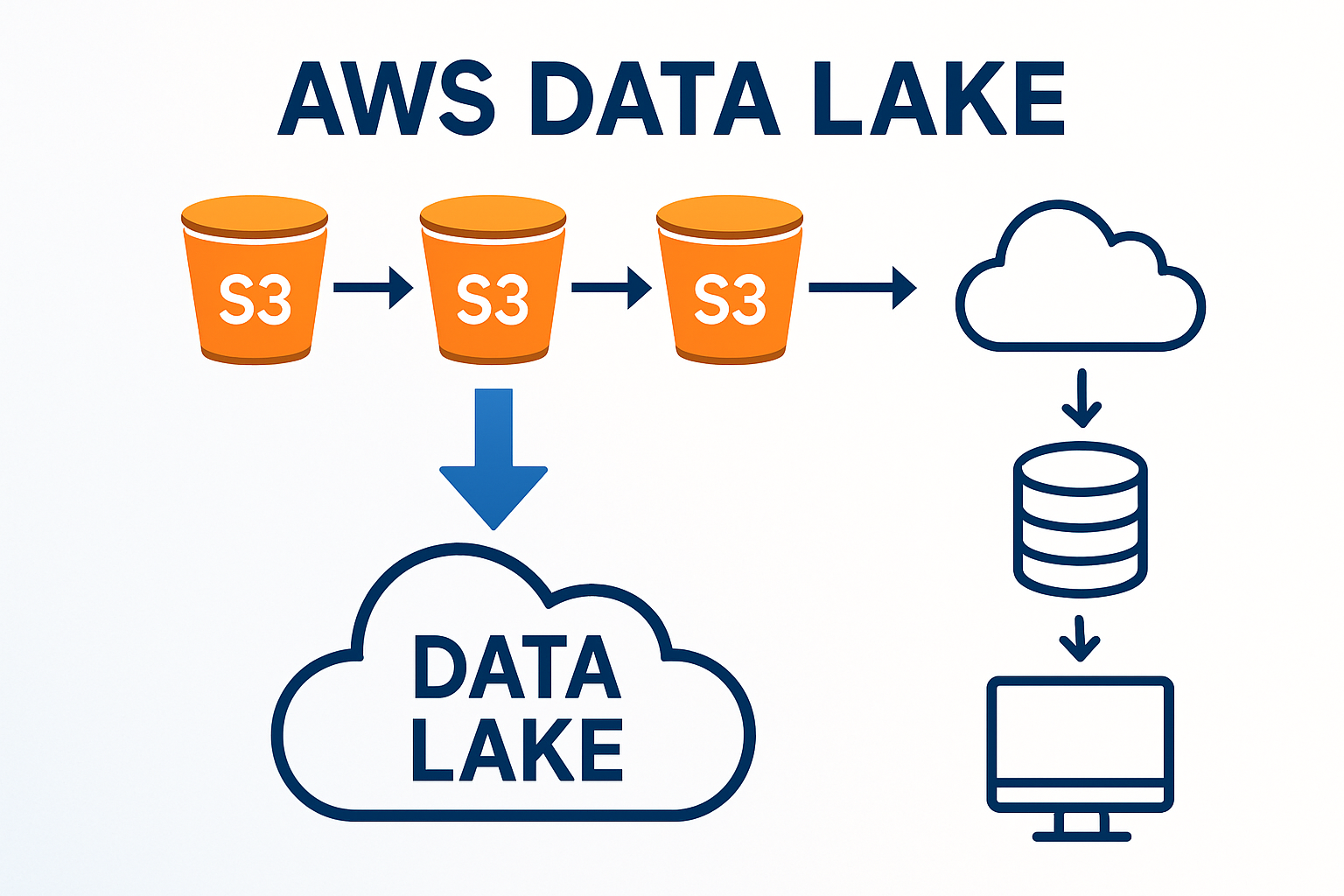
- Raw data pulled from every source on a schedule and stored durably in S3 — so even if a platform's API caps historical access, you already have the history.
- No per-row pricing. AWS storage and query costs are pennies and scale predictably; they're a transparent pass-through, not a vendor markup that grows with your success.
- Everything defined as code. The pipelines, the metrics, the models — all version-controlled and reproducible. Nothing lives in a proprietary tool's black box.
The difference in practice: your three years of customer LTV history, your true blended ROAS trend, your channel performance year over year — all of it sits in infrastructure you own and can query anytime, whether or not you're still paying any given SaaS vendor this month.
"But we're too small to need a data warehouse"
This is the most common objection, and I understand it — "data warehouse" sounds like enterprise overkill for a brand doing seven figures.
But the size threshold isn't about scale. It's about whether your data matters to your decisions. If you're spending real money on ads and making budget calls off that data every week, then that data is a business asset — and right now it's an asset you're renting instead of owning. The cost of owning it (in your own AWS account) is often lower than the stack of reporting SaaS subscriptions it replaces, and it doesn't get held hostage.
The brands that struggle most aren't the ones who built this too early. They're the ones who woke up two years in, wanted to analyze their history, and found it scattered across five tools — half of it already expired.
The takeaway
Every marketing tool in your stack is a source of data. None of them are a home for it. Until you have one place you control where all of it lives, you don't own your data — you're leasing access to fragments of it, and the terms can change without your permission.
Owning it isn't exotic or enterprise-only anymore. It's a warehouse in your own AWS account, and it's the foundation everything else — trustworthy ROAS, real reporting, an AI assistant that can actually answer questions — gets built on.
I build exactly this: an AWS-native marketing data platform that lives in your account, that you own forever. See how it works or book a discovery call.